Work Health & Safety Audit

In Australia, Work Health & Safety isn’t just a compliance requirement — it’s a responsibility.

Under the Work Health and Safety Act, businesses have a clear duty of care to protect workers and others from harm. But beyond meeting legislative obligations, a WHS audit is about something far more important — people.

So why would your company conduct a WHS audit?

  • ️ Identify gaps before they become incidents
  • ️ Reduce risk and potential liability
  • ️ Ensure compliance with current legislation
  • ️ Strengthen safety systems and processes
  • ️ Demonstrate due diligence as an officer or PCBU
  • ️ Build a positive safety culture

A proactive WHS audit can uncover blind spots, highlight improvement opportunities, and provide practical recommendations to strengthen your safety framework.

The real question isn’t “Why do a WHS audit?”
It’s “Why wouldn’t you?”

If you’re unsure how your systems measure up, now is the time to find out — before an incident or regulator does it for you.

Contact us @Safety Australia Group

https://safetyaustraliagroup.com.au/

#WHS #SafetyLeadership #RiskManagement #DueDiligence #WorkplaceSafety #Compliance

Some Great feedback from MGA Thermal Team on their recent Safety Leadership & Risk Management Training

  • Neil’s presentation skills and knowledge were great. His responses to questions on the fly and elaboration on key issues I think will give MGA much better outcomes from the course.
  • Leadership 9 key things to have
  • Interactive discussions
  • Great course and great presenter
  • Excellent presentation and example
  • Neil was great!
  • Keep up the good work
  • Neil’s presentation skills and knowledge were great. His responses to questions on the fly and elaboration on key issues I think will give MGA much better outcomes from the course.

It’s always rewarding to receive such great feedback from clients who value practical, engaging, and effective safety solutions.

A big thank you to the MGA Thermal Team for the opportunity to work with you!

https://safetytrainingaustralia.com.au/

Your Weekly WHS Tip – Simple, Actionable, Repeatable

Tip #1: Start Every Day with a Safety Conversation

A two-minute check-in at the beginning of a shift can set the tone for the entire day.

Ask: What are today’s biggest risks? What controls are in place? Why it works: Raises awareness before work begins Encourages team accountability Helps identify hazards early

Small conversations.

Big impact.

Repeat daily.

https://safetyaustraliagroup.com.au/

Sexual and Gender based Harassment

In response to increasing client inquiries, employers are facing a heightened responsibility to prevent Sexual and Gender based discrimination. This obligation extends beyond reacting to harassment incidents to actively stopping them beforehand. Supported by the Sex Discrimination Act 1984 and the Fair Work Act 2009, employers are legally bound to cultivate safe, respectful workspaces. Continue reading

Safety News October 2024


October 2024

Issue 48


Technology and Workplace Safety – Balancing Innovation and Humanity

During Safe Work Month 2024, the intersection of technology and worker protection was under the spotlight. This article explores how innovative technologies can collaborate with human oversight to create safer workplaces.
1600464.gif


Australian workers continue to experience high rates of illness and injury

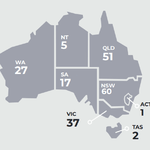
The latest statistics from Safe Work Australia reveal a sobering picture of workplace health and safety in the country, highlighting persistent challenges that workers face. 200 Australian workers tragically lost their lives due to work-related injuries in 2023, a slight increase from the 195 fatalities reported in 2022.
1600464.gif


The Vital Role of Safety Committees in Australian Workplaces

Health & Safety Committees (HSCs) are essential for fostering a proactive safety culture and collaboration between employers and employees to address workplace risks. With national statistics highlighting ongoing safety challenges, active HSCs play a critical role in reducing incidents and ensuring safer work environments.
1600464.gif


Rising Tide of Workplace Violence and Aggression in Australia

Workplace violence and aggression have become pressing concerns in Australia, with a sharp rise in incidents over the past five years, as highlighted in Safe Work Australia’s latest report. As stressors in the workplace intensify, employers must adopt proactive measures to protect workers, especially in high-risk industries.

1600464.gif


Help shape the future of RTW outcomes

As we approach the five-year mark of the National Return to Work Strategy 2020–2030, Safe Work Australia is calling for your input to help shape the future of return to work (RTW) outcomes for injured workers. Now is the time to identify where we can make an even greater impact in the next five years. Have your say before 29 November 2024.

1600464.gif


Recruitment & Contractors | Consultants | Training


WHS Training Courses Available
WHS Awareness

Occupational Violence & Aggression
Safety Committee Training
Psychosocial Hazard Awareness Training
Due Diligence for Officers

View All Training Courses

The Role of Technology in Workplace Safety: Finding Balance Between Innovation and Human Values

As we come to the end of Safe Work Month 2024, it’s a good time to reflect on how the landscape of workplace safety has transformed over the past few decades. One of the key topics discussed at several forums this year was Emerging Safety Technology, which highlighted the integration of technology into safety strategies and how it redefines our approach to health and safety. Yet, while technology offers incredible advancements, there was a clear consensus on the importance of maintaining human oversight to ensure a balanced approach.

The Evolution of Safety Technology

Historically, workplace safety primarily focused on compliance with regulations and reactive measures—responding to incidents after they occurred. Over the years, the focus has shifted toward prevention, with the development of more proactive safety practices.

The journey began with basic tools like helmets and gloves, evolving into more sophisticated equipment such as fall protection systems and personal protective equipment (PPE). The digital era of the 1990s marked a turning point, introducing the ability to electronically record data and streamline compliance processes. In recent years, the emergence of Internet of Things (IoT) devices and wearables has revolutionised workplace safety further, enabling real-time monitoring of worker health and environmental conditions.

Benefits of Technology in Workplace Safety

The integration of technology into safety practices has brought several key advantages:

  • Real-Time Monitoring: Wearable devices with sensors can monitor workers’ health metrics in real time, detecting issues like fatigue, heat stress, or unsafe exposure levels. This enables proactive interventions before injuries occur.
  • Enhanced Data Analysis: Advanced safety software analyses large sets of safety data, identifying trends and risks that may not be visible through traditional reporting methods. This data-driven approach leads to more informed decision-making.
  • Streamlined Reporting and Compliance: Digital safety management systems simplify incident reporting and compliance tracking, ensuring organisations maintain safety standards with greater ease.
  • Increased Training Effectiveness: Virtual reality (VR) and augmented reality (AR) offer immersive training experiences, allowing workers to practice responding to dangerous situations in a safe, controlled environment.
  • Automation of Hazardous Tasks: Robotics and automation take over dangerous tasks, reducing the risk of human injury, especially in high-risk environments like construction and manufacturing.

One prominent example is BHP, which has integrated IoT devices across its mining operations to monitor equipment and worker health. By deploying wearables that track vital signs and environmental conditions, BHP ensures employee well-being while optimising operational efficiency. The real-time data from these devices enables rapid responses to hazards, significantly reducing incident rates.

Balancing Technology with the Human Element

Despite the significant benefits, it’s crucial not to overlook the human element in workplace safety. Human judgment, experience, and intuition remain irreplaceable in identifying risks and responding to emergencies. The most successful safety programs strike a balance between innovation and human insight, for example:

  • Safety Culture: Building a strong safety culture relies on open communication, trust, and collaboration among team members. Technology should support, not replace, these human interactions.
  • Training and Education: Workers need training not just in technology but also in maintaining situational awareness and critical thinking in safety situations.
  • Feedback Mechanisms: Employee feedback on technology use is crucial. Workers, who are directly engaged with these tools, offer invaluable insights into their effectiveness and areas for improvement.
  • Human Insight and Innovation: Technology should be seen as a complement to human intuition and expertise, not a substitute. Combining human insight with technological advancements ensures a more comprehensive approach to safety.

The Future of Workplace Safety

As we look to the future, the role of technology in workplace safety will only grow. Continuous advancements will enable more effective worker protection, real-time monitoring, and automation of risky tasks. However, this does not mean safety professionals will become obsolete.

While technology will enhance safety efforts, human oversight remains critical. People will always be central to creating, managing, and improving safety systems. If organisations can embrace technology while ensuring a balance with human values, we can create workplaces that are not only safer but also more efficient and respectful of employee well-being.