
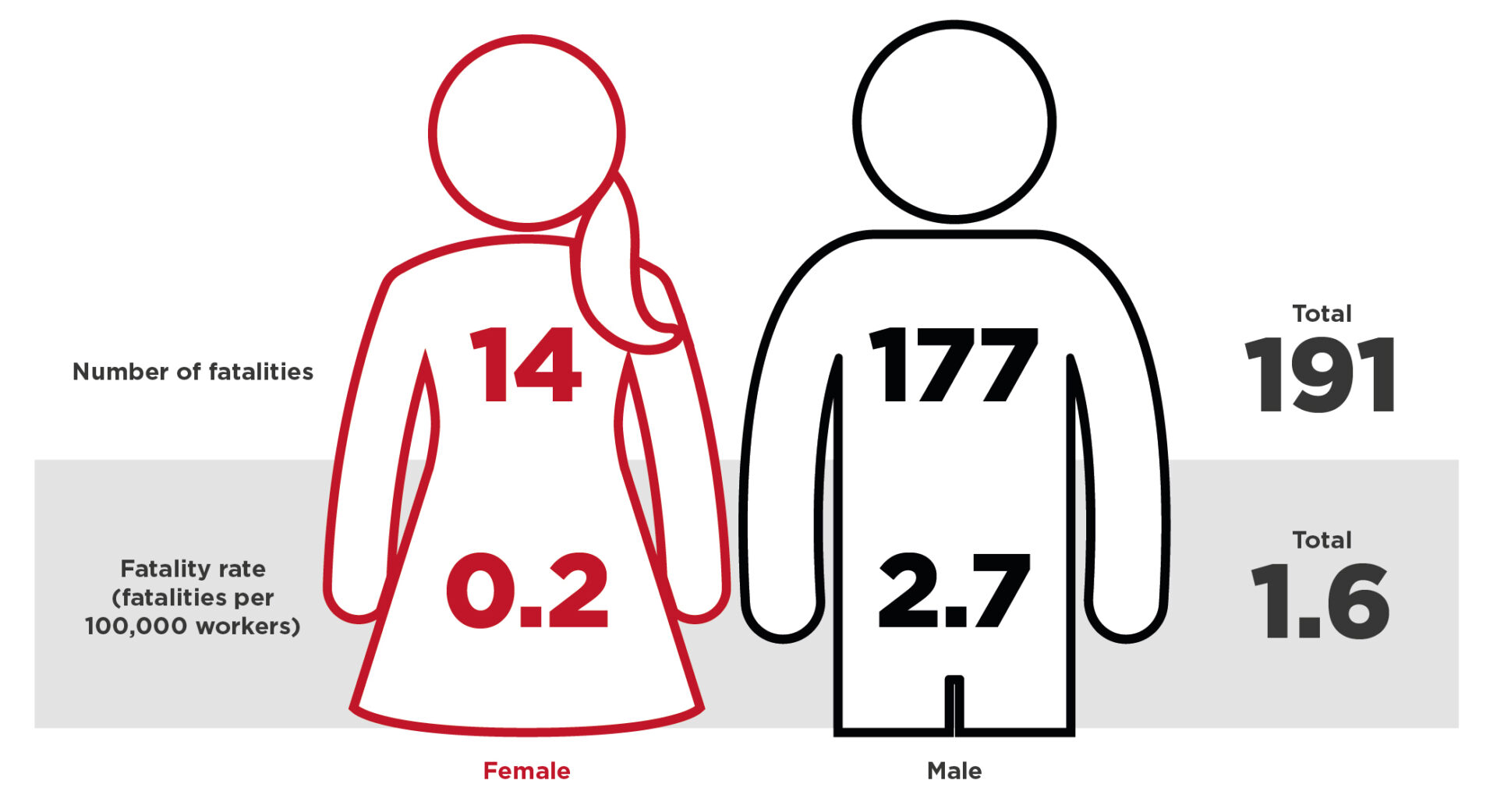
 Safe Work Australia’s Chair, Diane Smith-Gander released Key Work Health and Safety Statistics Australia 2018 today, with the latest figures in national work-related injuries, diseases and fatalities. Continue reading
Dealing with workplace bullying
 When we think about bullying behaviour we often revert back to our childhood and think about those kids in the school yard that would taunt, steal lunch money or food, cause or threaten physical harm, verbally abuse and generally just make life miserable for the kids around them.
Unfortunately the reality is that some of those kids continue this bullying behaviour into their adult life and become the person that makes derogative and inappropriate comments, withhold vital work information or even spread malicious rumours.
Update to hazardous chemical classification guide
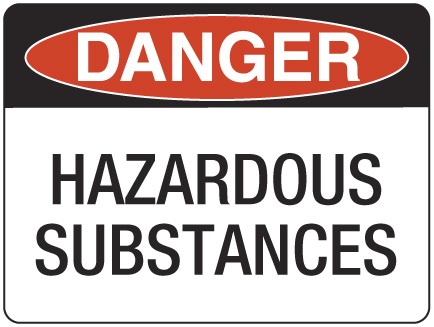 Safe Work Australia have updated the national guide to classifying hazardous chemicals, providing clear, simple and practical information to help businesses classify the chemicals they use.
The guide is intended for Australian manufacturers and importers of hazardous chemicals, and others who classify substances, mixtures or articles under the Work Health and Safety (WHS) Regulations. Continue reading
Safety Facilitation Film Based on the True Story of Jed Millen
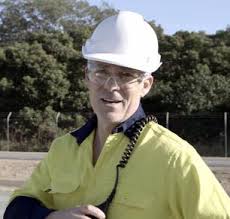 Work Safe QLD have developed a safety facilitation training film based on the true story of Jed Millen. Jed had been in the construction industry for close to 20 years when he fell five metres from a bridge that collapsed without warning.
An accumulation of avoidable mistakes resulted in a serious spinal injury and caused years of physical and emotional pain for him and his family and friends. Continue reading
Return to Work in Psychological Injury Claims
 Workers with psychological injuries generally have lower return to work (RTW) rates than workers with physical injuries, but there are things employers can do to improve the outcomes.
The Return to work: A comparison of psychological and physical injury claims report looks at the similarities and differences between psychological and physical claims, including how workers view their claims experience. This report is based on results from the 2013 and 2014 National Return to Work Surveys (the Survey). Continue reading
National Guidance on Work-Related Psychological Health and Safety
 Poor psychological safety costs Australian organisations $6 billion per annum in lost productivity. This is primarily because psychological injuries typically require three times more time off work than other injuries.
Safe Work Australia have developed a guide for employers and workers, which describes how to build a psychologically healthy and safe workplace by identifying, assessing and controlling risks to workers’ mental health. Continue reading
Excavation collapse on apprentice leads to $80,000 fine
 A construction company has been convicted and fined $80,000 after an excavation collapsed leaving a 17-year-old apprentice plumber with life-threatening injuries.
Olive Construction Pty Ltd pleaded guilty in the Melbourne Magistrates’ Court to one charge contrary to section 26 of the OHS Act for failing to provide a workplace that was safe and without risks to health.
The company was also ordered to pay $3505 in costs. Continue reading
Is mental health training for managers effective?
 Managers who undergo mental health training feel more capable of supporting staff, but the flow-on effects for employees are unclear, according to a major review. However, the lead researcher tells OHS Alert that this should not deter organisations from implementing such important programs.
The researchers from the University of NSW and other Australian and European institutions say they were the first to conduct a review of studies assessing the effectiveness of workplace interventions for managers that focused on the mental health of directly-reporting employees. Continue reading
New safety plan launched to help protect NSW workers
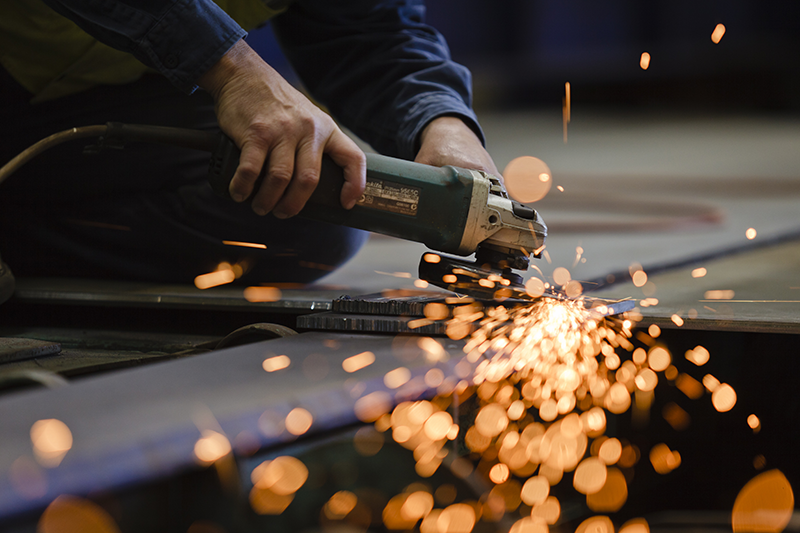 Workers will be better protected thanks to a new safety plan that aims to reduce injuries and fatalities in the manufacturing sector, Minister for Better Regulation Matt Kean said.
Mr Kean said manufacturing is one of the state’s highest risk industries, and employs more than 240,000 workers.
“The manufacturing sector is one of the state’s most significant industries, producing a wide range of goods and injecting thousands of vital jobs into the economy,” Mr Kean said.
“However, from July 2013 to July 2016 there were almost 41,000 workers compensation claims, and tragically there were 24 fatalities.”
Claims over work-related injuries, diseases and fatalities also cost the compensation system $558 million over the same period.
“The rate of injury remains far too high, and that’s exactly why we’re launching a new safety plan to help protect every worker across this important sector,” Mr Kean said.
Mr Kean said SafeWork NSW would kick start the plan alongside manufacturing businesses, employers, workers, industry associations, and worker representatives.
“Together they will explore ideas and opportunities for simple and practical safety solutions that reduce or eliminate the most common types of injuries,” Mr Kean said.
This will include workgroups to guide industry in managing key risks, developing tools like manuals and fact sheets to make compliance simpler, as well as forklift and machine safety blitz’s to ensure workplaces have proper safeguards in place.
“Our priority is to make sure every worker who heads off to work in the morning, returns home safely to their family each night,” Mr Kean said.
Source: WorkSafe NSW, 9 May 2018
Two factors increase risk of insomnia and poor safety
 Health experts have identified two areas that employers can focus on to tackle the widespread problem of worker insomnia and its impact on safety standards.
These are work-related fatigue and chronic musculoskeletal pain.
The researchers, from the Norwegian University of Science and Technology and other institutions, say that workers who are constantly worn out from work are more than twice as likely to experience insomnia symptoms than those who are never or seldom fatigued, and the relationship between fatigue and insomnia is amplified by chronic musculoskeletal pain. Continue reading